Hair loss is a common concern that affects both men and women at different stages of life. While losing some hair daily is normal, excessive shedding, thinning, or visible bald patches may indicate an underlying issue that needs attention. Hair loss can affect appearance, confidence, and emotional well-being. The good news is that many causes …

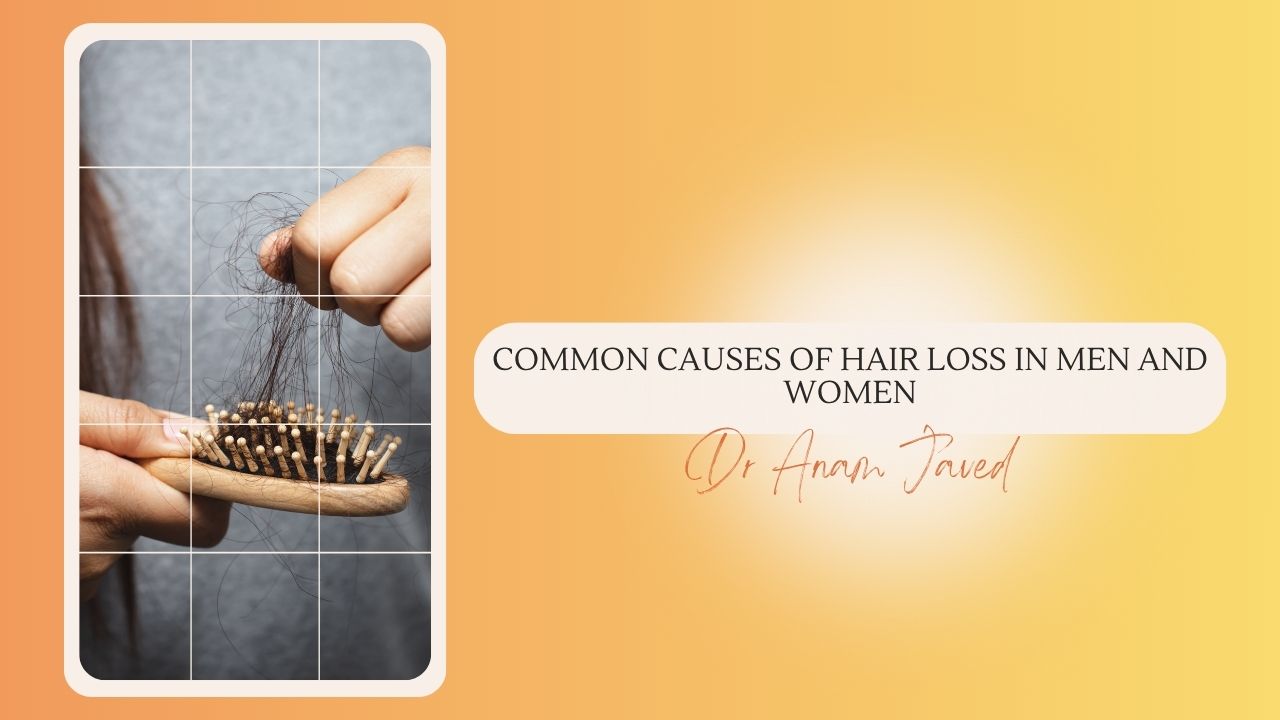
Hair loss is a common concern that affects both men and women at different stages of life. While losing some hair daily is normal, excessive shedding, thinning, or visible bald patches may indicate an underlying issue that needs attention.
Hair loss can affect appearance, confidence, and emotional well-being. The good news is that many causes of hair loss can be identified and managed with the right diagnosis and treatment.
What Is Hair Loss?
Hair loss refers to excessive shedding, thinning of hair, or reduced hair growth over time. It may happen gradually or suddenly, depending on the cause. Some people notice a widening parting, a receding hairline, thinning at the crown, or hair falling out in patches.
In some cases, hair loss is temporary. In others, it may progress if not treated early.
How Much Hair Loss Is Normal?
It is normal to lose around 50 to 100 hairs a day. However, you should seek evaluation if you notice:
- Increased hair shedding while combing or washing
- Noticeable thinning of hair
- Bald patches
- A widening part line
- Receding hairline
- More scalp visibility than before
Early diagnosis is important because treatment works best when started on time.
Common Causes of Hair Loss in Men and Women
1. Genetic Hair Loss
One of the most common causes of hair loss is hereditary hair thinning. In men, this usually appears as a receding hairline or thinning at the crown. In women, it often shows as overall thinning or widening of the parting.
This type of hair loss tends to develop gradually over time and often runs in families.
2. Hormonal Changes
Hormonal imbalance can play a major role in hair loss, especially in women. Hair shedding may occur during pregnancy, after delivery, during menopause, or in conditions such as PCOS.
Hormonal changes can affect the natural hair growth cycle and lead to noticeable thinning.
3. Nutritional Deficiencies
Low levels of iron, vitamin D, protein, zinc, and certain other nutrients can contribute to hair fall. Poor diet, crash dieting, or long-term nutritional imbalance may weaken the hair roots and reduce healthy hair growth.
4. Stress
Physical or emotional stress can trigger increased hair shedding. This type of hair loss is often seen after illness, surgery, fever, major emotional stress, or sudden weight loss.
In many cases, stress-related hair loss is temporary, but it should still be properly assessed.
5. Thyroid Disorders
Both underactive and overactive thyroid problems can lead to hair thinning. Hair loss related to thyroid disease is often diffuse, meaning it affects the scalp more generally rather than creating a specific bald spot.
6. Scalp Conditions
Certain scalp problems can cause hair loss by affecting the health of the hair follicles. These include:
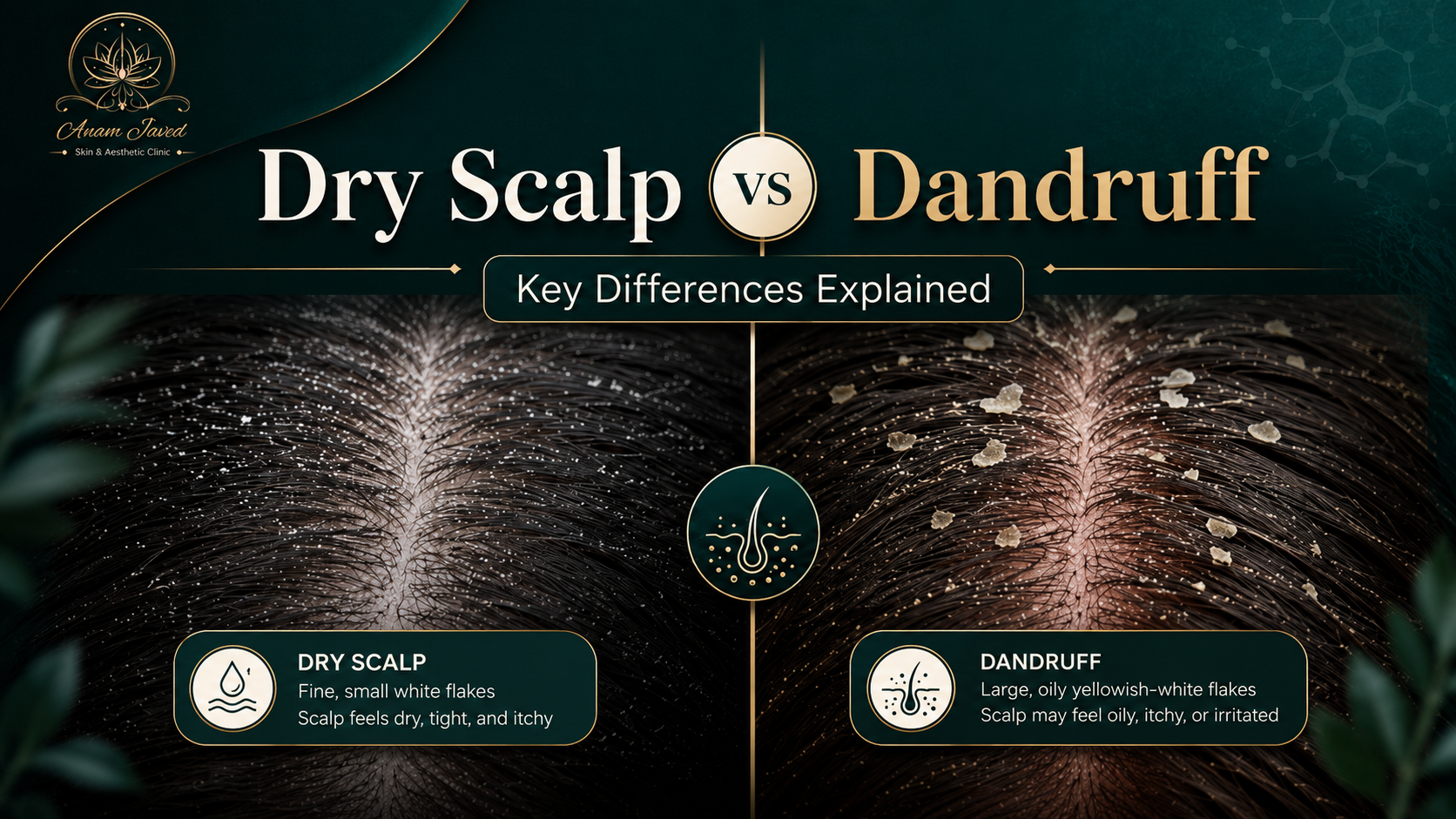
- Dandruff
- Seborrheic dermatitis
- Fungal scalp infections
- Psoriasis
- Scalp inflammation
A healthy scalp is essential for healthy hair growth.
7. Medical Conditions
Some illnesses may be linked to hair loss, including autoimmune conditions, anemia, chronic illness, and certain skin diseases. In some cases, the body’s immune system may attack the hair follicles, causing patchy hair loss.
8. Medications
Hair loss can also happen as a side effect of some medicines. These may include treatments for blood pressure, depression, arthritis, hormonal problems, and chemotherapy.
If hair loss begins after starting a new medicine, it is worth discussing with a doctor.
9. Hairstyles and Hair Treatments
Tight hairstyles such as tight ponytails, braids, buns, or frequent heat and chemical treatments can damage the hair and lead to hair loss over time. Repeated pulling on the roots may cause traction-related hair loss.
10. Aging
As people grow older, hair naturally becomes finer, weaker, and less dense. Hair growth also slows down with age, which can make the hair appear thinner.
Hair Loss in Men
Hair loss in men is most commonly linked to genetic factors. It usually starts with:
- Receding hairline
- Thinning at the temples
- Hair loss at the crown
- Gradual baldness over time
Early treatment may help slow progression and preserve existing hair.
Hair Loss in Women
In women, hair loss often presents differently. Common patterns include:
- Widening of the hair part
- General thinning over the scalp
- Increased shedding after childbirth
- Hair fall linked to hormonal imbalance or nutritional deficiency
Women are also more likely to experience hair loss from iron deficiency, hormonal changes, and stress.
When Should You See a Doctor for Hair Loss?
You should seek medical advice if you notice:
- Sudden hair loss
- Bald patches
- Rapid thinning
- Hair loss with itching or scalp redness
- Hair fall after illness that does not improve
- Hair loss associated with irregular periods or hormonal symptoms
- Hair loss with fatigue, weight change, or other health concerns
A detailed assessment helps identify the root cause and avoid unnecessary delay.
How Is Hair Loss Diagnosed?
Diagnosis usually begins with a medical history and examination of the hair and scalp. Depending on the case, the doctor may recommend:
- Scalp examination
- Review of diet and lifestyle
- Blood tests for iron, vitamin levels, thyroid, or hormones
- Assessment of medical history
- Evaluation of medications
- In some cases, further scalp or skin testing
The goal is to understand whether the hair loss is due to genetics, hormones, nutrition, scalp disease, or another underlying condition.
Treatment for Hair Loss
Treatment depends on the actual cause of the hair loss.
Medical Treatment
Some patients may benefit from medicines that help reduce hair loss and support regrowth. The right treatment varies between men and women.
Nutritional Correction
If deficiencies are present, correcting iron, vitamin D, protein, or other nutritional problems may improve hair health.
Hormonal Management
When hair loss is linked to hormonal imbalance, managing the underlying condition can help reduce further shedding.
Scalp Treatment
Treating dandruff, scalp infections, or inflammation is important for restoring scalp health and supporting hair growth.
Lifestyle Improvement
Stress control, better sleep, hydration, and a balanced diet can all play a supportive role in hair recovery.
Hair Care Advice
Reducing heat styling, avoiding harsh chemicals, and limiting tight hairstyles can help prevent further damage.
Can Hair Loss Be Prevented?
Not every type of hair loss can be prevented, especially when genetics are involved. However, you can reduce the risk of worsening hair fall by:
- Eating a balanced diet
- Treating dandruff and scalp issues early
- Avoiding tight hairstyles
- Limiting excessive heat and chemical treatments
- Managing stress
- Treating hormonal and medical conditions on time
- Seeking evaluation early if hair thinning begins
When to Book a Consultation
Hair loss should not be ignored when it becomes excessive, persistent, or visibly affects the scalp. Early diagnosis gives the best chance of controlling hair fall and improving hair growth.
If you are noticing hair thinning, bald patches, or unusual shedding, a clinical assessment can help determine the cause and guide the most suitable treatment plan.
Conclusion
Hair loss in men and women can happen for many reasons, including genetics, hormones, stress, nutritional deficiencies, scalp conditions, and medical problems. Because the causes are different from person to person, proper diagnosis is essential. With early treatment and the right care plan, many patients can improve hair health and reduce further hair loss.
Book an Appointment
It’s easy and free!