Eczema, also known as atopic dermatitis, is more than just "dry skin." It is a chronic inflammatory condition that disrupts the skin's natural barrier, making it hypersensitive to the environment. While there is no "cure," modern dermatology offers highly effective ways to keep the skin clear and comfortable. 1. What Causes Eczema? Eczema is a …


Eczema, also known as atopic dermatitis, is more than just “dry skin.” It is a chronic inflammatory condition that disrupts the skin’s natural barrier, making it hypersensitive to the environment. While there is no “cure,” modern dermatology offers highly effective ways to keep the skin clear and comfortable.
1. What Causes Eczema?
Eczema is a complex condition driven by a combination of genetics and environment.
- Skin Barrier Dysfunction: Many people with eczema have a genetic variation that prevents the skin from producing enough filaggrin, a protein responsible for keeping the skin barrier strong. This allows moisture to escape and irritants to enter.
- Immune Overreaction: The immune system becomes hyper-sensitive, treating harmless substances (like dust or soap) as threats and triggering inflammation.
- Environmental Triggers: Common culprits include harsh soaps, synthetic fabrics, stress, cold weather, and allergens like pet dander or pollen.
2. Recognizing the Symptoms
Eczema looks different on everyone, but the hallmark is almost always the “itch that rashes”—meaning the itch usually precedes the visible redness.
- Intense Itching: Often worse at night, which can lead to sleep disruption.
- Dry, Sensitive Skin: Skin that feels tight or rough to the touch.
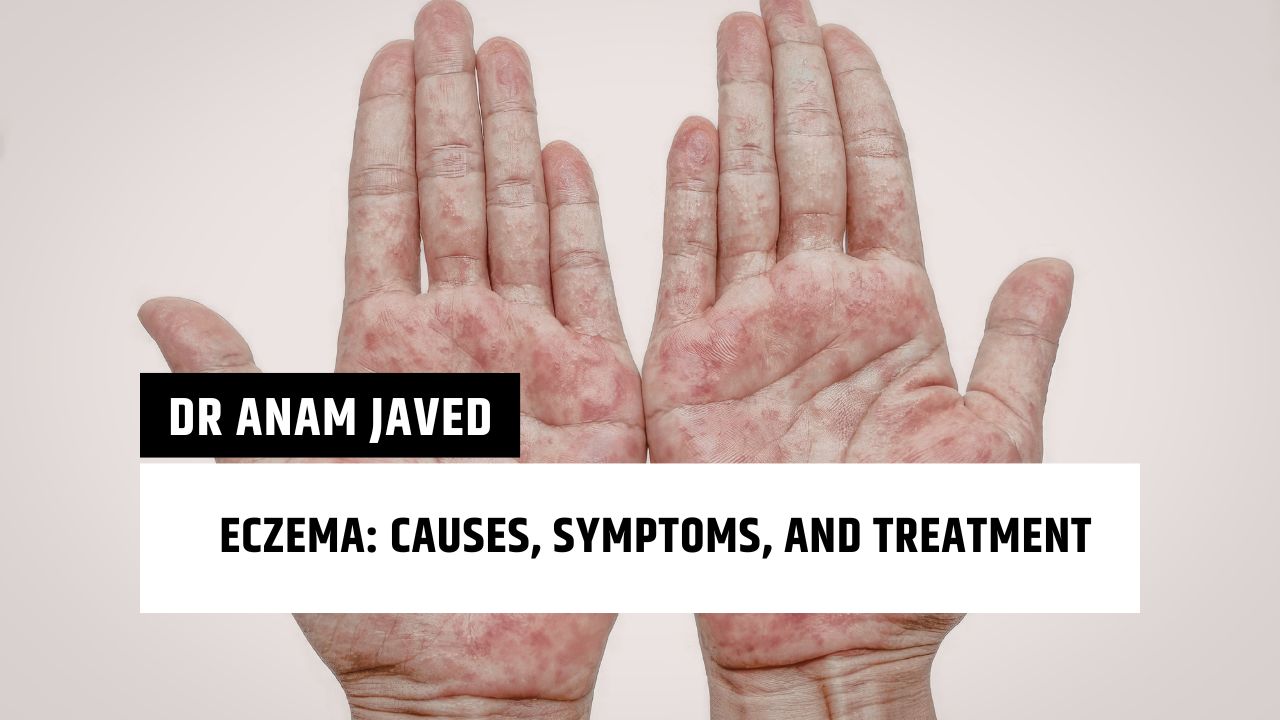
- Inflamed Patches: Red to brownish-gray patches, often appearing on the hands, feet, ankles, neck, and the “crooks” of elbows or knees.
- Small, Raised Bumps: These may leak fluid and crust over if scratched (a sign of potential infection).
3. Treatment and Management Strategies
The goal of treatment is to repair the skin barrier and calm inflammation.
The “Soak and Seal” Method
The most important step in eczema care is hydration.
- Bathe in lukewarm (not hot) water for 5–10 minutes.
- Pat the skin dry gently with a towel.
- Immediately apply a thick, fragrance-free emollient or ointment (like petroleum jelly) to lock in moisture.
Medical Interventions
- Topical Steroids: Used for short bursts to calm active “flares.”
- Calcineurin Inhibitors: Non-steroid creams used for sensitive areas like the face.
- Phototherapy: Controlled exposure to UV light for moderate-to-severe cases.
- Biologics: Modern injections that target the specific part of the immune system causing the inflammation.
Prevention Tips
- Switch to Soap-Free Cleansers: Traditional soaps strip the skin of essential oils.
- Wear Cotton: Avoid wool and polyester, which can be abrasive.
- Trim Fingernails: Keeping nails short prevents skin breakage and infection caused by scratching.
👨⚕️ Expert Consultation
Skin and allergy issues often overlap. For specialized advice on how environmental irritants might be affecting your health, visit Dr. Anam Javed at his Islamabad clinic.
- 📍 Address: Ground Floor, Executive Complex, G-8 Markaz, Islamabad.
- 📞 Phone: +92 339 2050 505
- 📧 Email: hello@drjunaident.com
- ⏰ Timings: Mon–Sat | 04:30 PM – 08:00 PM
Book an Appointment
It’s easy and free!