Acne is one of the most common skin conditions affecting millions of people worldwide. While it is often associated with teenagers, acne can occur at any age and may persist well into adulthood. Understanding what causes acne is the first step toward effective prevention and treatment. In this dermatologist-approved guide, we will explain the main …

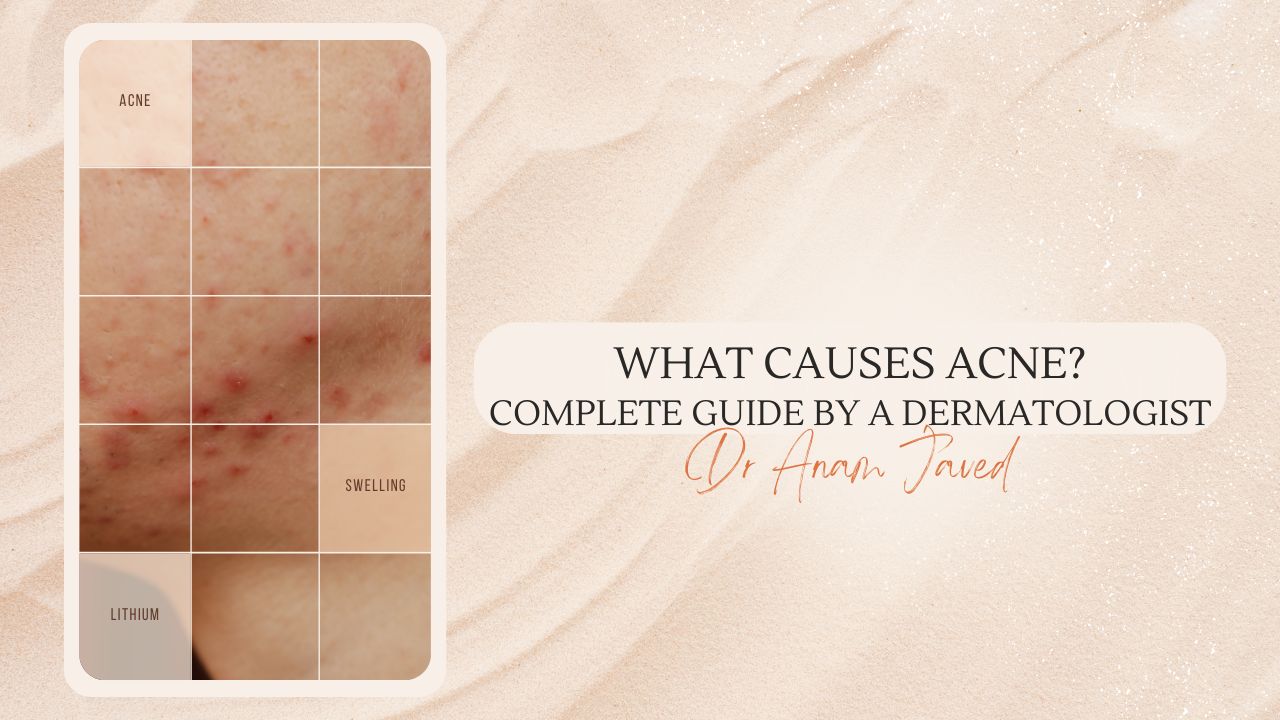
Acne is one of the most common skin conditions affecting millions of people worldwide. While it is often associated with teenagers, acne can occur at any age and may persist well into adulthood. Understanding what causes acne is the first step toward effective prevention and treatment.
In this dermatologist-approved guide, we will explain the main causes of acne, risk factors, and how you can manage breakouts effectively.
Understanding Acne: What Actually Happens in Your Skin
Acne develops when hair follicles become clogged with oil (sebum), dead skin cells, and bacteria. These clogged pores can lead to different types of acne lesions such as:
- Whiteheads
- Blackheads
- Papules
- Pustules
- Nodules
- Cysts
The sebaceous glands in your skin naturally produce oil to keep the skin moisturized. However, when excess oil combines with dead skin cells, pores become blocked, creating an ideal environment for bacteria to grow and cause inflammation.
1. Excess Sebum (Oil) Production
One of the primary causes of acne is overproduction of sebum.
Sebum is a natural oil produced by sebaceous glands to protect and hydrate the skin. However, when too much oil is produced, it can clog pores and trigger acne.
Excess oil production can be influenced by:
- Hormonal changes
- Genetics
- Certain medications
- Environmental factors
People with oily skin are generally more prone to acne breakouts.
2. Hormonal Changes
Hormones play a major role in acne development.
During puberty, pregnancy, menstrual cycles, or hormonal disorders, the body produces more androgens. These hormones stimulate sebaceous glands to produce extra oil.
Hormonal acne is commonly seen in:
- Teenagers
- Women during menstruation
- Pregnant women
- People with hormonal conditions like PCOS
Hormonal acne usually appears around the chin, jawline, and lower cheeks.
3. Clogged Hair Follicles and Dead Skin Cells
Your skin naturally sheds dead cells every day. However, when these cells accumulate and mix with excess oil, they block hair follicles.
This blockage forms:
- Whiteheads (closed pores)
- Blackheads (open pores)
Without proper cleansing or exfoliation, these clogged pores can develop into inflamed acne lesions.
4. Acne-Causing Bacteria
A bacterium called Cutibacterium acnes (C. acnes) lives naturally on the skin.
When pores become clogged, these bacteria multiply inside the follicle. This leads to:
- Inflammation
- Redness
- Swelling
- Pus formation
This process turns simple clogged pores into painful pimples or cystic acne.
5. Diet and Lifestyle Factors
Research suggests that certain dietary habits may worsen acne.
Foods that may contribute to breakouts include:
- High-glycemic foods (white bread, sugary snacks)
- Excess dairy products
- Processed foods
- Sugary drinks
Stress can also increase cortisol levels, which may trigger increased oil production and worsen acne.
Maintaining a balanced diet and managing stress can help improve skin health.
6. Genetics
Genetics can play a significant role in acne development.
If your parents had severe acne, you are more likely to experience it as well. Genetic factors can influence:
- Oil production
- Skin inflammation
- Sensitivity to hormones
7. Skincare Products That Clog Pores
Using the wrong skincare or cosmetic products can worsen acne.
Products that contain comedogenic ingredients may block pores and trigger breakouts.
Always choose products labeled:
- Non-comedogenic
- Oil-free
- Dermatologist-tested
8. Certain Medications
Some medications can trigger acne or worsen existing breakouts.
Examples include:
- Steroids
- Lithium
- Certain hormonal medications
- Some anti-epileptic drugs
If you notice acne after starting a medication, consult a dermatologist.
9. Friction and Pressure on the Skin
Frequent rubbing or pressure on the skin can lead to mechanical acne.
Common causes include:
- Tight helmets
- Face masks
- Sports gear
- Phone screens touching the face
This type of acne is often referred to as acne mechanica.
When Should You See a Dermatologist?
If acne becomes severe, painful, or leaves scars, professional treatment is recommended.
A dermatologist can provide treatments such as:
- Prescription topical medications
- Oral antibiotics
- Hormonal therapy
- Chemical peels
- Laser treatments
- Medical-grade skincare
Early treatment can prevent permanent acne scars and pigmentation.
Final Thoughts
Acne is a multifactorial condition influenced by hormones, oil production, bacteria, lifestyle, and genetics. While occasional breakouts are normal, persistent or severe acne should not be ignored.
Understanding what causes acne helps you choose the right skincare routine and treatment options. With proper care and guidance from a dermatologist, clear and healthy skin is achievable.
If you are struggling with persistent acne, consulting a qualified dermatologist can help identify the root cause and provide personalized treatment.
Book an Appointment
It’s easy and free!